NDIS Disability Support plays a vital role in helping individuals build the skills they need for everyday life. These supports are designed to improve independence, confidence, and overall wellbeing by assisting people with daily tasks, social participation, and personal development. Through structured and personalised care, participants are empowered to live more independently and achieve their personal goals.
Whether it is assistance at home, in the community, or through skill-building programs, NDIS supports are tailored to meet individual needs. Services such as NDIS Disability Support in Toowoomba and Disability Support Service in Toowoomba provide essential assistance that helps participants strengthen their daily living abilities.
Building Independence in Daily Tasks
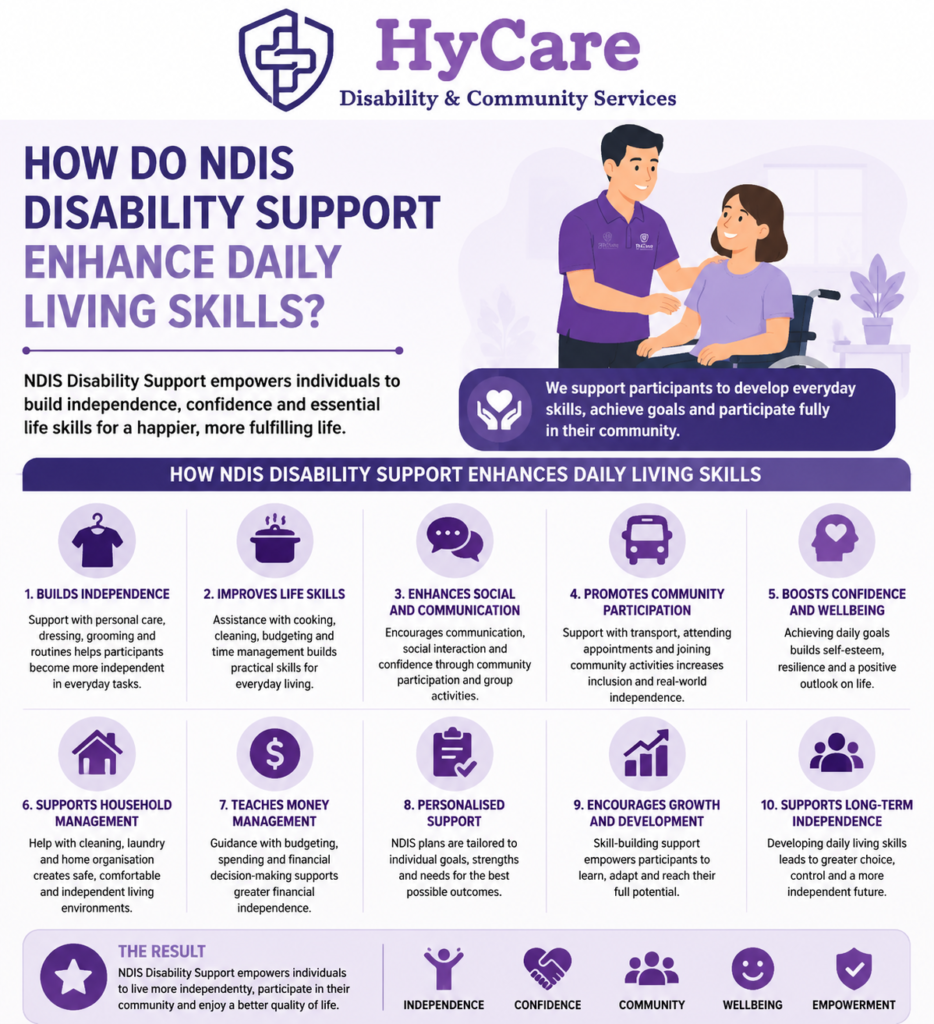
One of the primary goals of NDIS Disability Support is to help individuals develop independence in everyday activities. This includes personal care tasks such as grooming, dressing, cooking, cleaning, and managing routines.
Support workers provide step-by-step guidance that allows participants to gradually gain confidence in completing tasks on their own. Over time, this structured support reduces dependency and encourages self-sufficiency in both home and community environments.
Developing Life Skills Through Personalised Support
NDIS programs are designed to enhance essential life skills that contribute to long-term independence. These skills may include budgeting, time management, meal preparation, and using public transport. Through NDIS Disability Support in Toowoomba, participants receive tailored guidance based on their individual goals and abilities. This personalised approach ensures that each person develops practical skills at a comfortable pace, improving their ability to manage daily responsibilities effectively.
Improving Social and Communication Skills
Social interaction is an important part of daily living, and NDIS Disability Support helps individuals build confidence in communicating with others. Support workers encourage participation in group activities, community programs, and social events.
These experiences help participants develop stronger communication skills, build relationships, and reduce social isolation. Over time, individuals become more confident in engaging with their communities and expressing their needs effectively.
Encouraging Community Participation
Community involvement is another key aspect of daily living supported through NDIS services. Participants are encouraged to engage in recreational activities, attend appointments, and take part in community events.
With the help of a Disability Support Service in Toowoomba, individuals can safely navigate community environments while developing independence outside their home. This promotes inclusion and helps participants feel more connected to their surroundings.
Enhancing Confidence and Emotional Wellbeing
As individuals develop new skills and gain independence, their confidence naturally improves. NDIS Disability Support focuses not only on physical tasks but also on emotional wellbeing. Support workers provide encouragement, motivation, and consistent guidance, helping individuals overcome challenges and build resilience. This positive reinforcement plays a crucial role in improving self-esteem and overall quality of life.
NDIS Disability Support is essential in enhancing daily living skills by promoting independence, improving social engagement, and building confidence. Through personalised care and structured support, individuals can develop the skills needed to manage everyday tasks and participate actively in their communities. Services like NDIS support in Toowoomba ensure that participants receive the right guidance to achieve meaningful and lasting independence.
Get In Touch With Us Today
If you or your loved one needs professional support, HyCare offers trusted NDIS Disability Support in Toowoomba and reliable Disability Support Service in Toowoomba. Contact HyCare today to learn more about personalised support options designed to enhance independence and improve daily living skills.
Call us at 1300 492 273 or email us at admin@hycareservices.com.au for more information.
FAQs On Disability Support
- What are daily living skills in NDIS Disability Support?Daily living skills include essential tasks such as cooking, cleaning, personal hygiene, budgeting, and using transport, which help individuals live more independently.
- How does NDIS Disability Support help improve independence?NDIS Disability Support provides guided assistance and skill-building activities that gradually help participants perform daily tasks on their own with greater confidence.
- What types of support are provided for daily living skills?Support may include personal care assistance, meal preparation, household tasks, community participation, and training in communication and life skills.
- Can NDIS Disability Support help with cooking and meal preparation?Yes. Support workers can teach planning, preparing, and cooking meals safely while promoting healthy eating habits and independence in the kitchen.
- How does NDIS support improve social skills?Participants are encouraged to join community activities and social programs, helping them improve communication, build relationships, and reduce isolation.
- Is NDIS Disability Support tailored to individual needs?Yes. Each support plan is personalised based on the participant’s goals, abilities, and challenges to ensure effective skill development.
- Can NDIS Disability Support assist with household tasks?Absolutely. Support workers can help individuals learn or manage cleaning, laundry, organisation, and maintaining a safe and comfortable living environment.
- How does NDIS support help with budgeting and money management?Participants may receive training in basic budgeting, managing expenses, and making everyday financial decisions to improve independence.
- Does NDIS Disability Support improve confidence?Yes. As individuals develop new skills and achieve daily goals, their confidence, self-esteem, and overall wellbeing significantly improve.
- How does community participation support daily living skills?Engaging in community activities helps individuals practice real-life skills such as travel, communication, and decision-making in everyday environments.