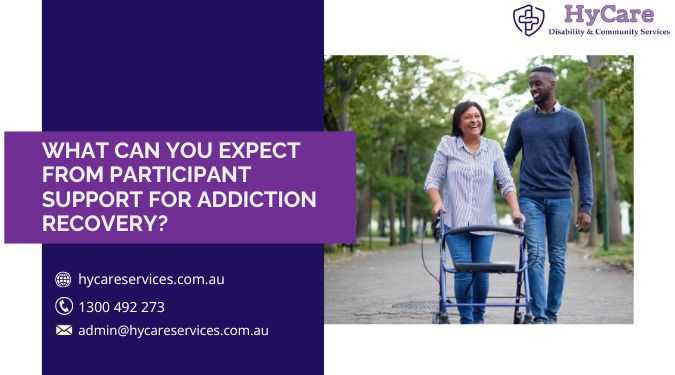
Addiction recovery is a journey that often requires ongoing practical, emotional and community support, particularly when a person is living with a permanent and significant disability. While addiction treatment and rehabilitation are provided through the health system, participant support services can play an important role in helping individuals build independence, maintain daily routines and work towards their personal goals.
Understanding how participant support complements healthcare services can help individuals and families access the right assistance throughout the recovery journey.
Understanding the Role of Participant Support
Participant support focuses on helping people with disabilities improve their independence, wellbeing and community participation. For individuals recovering from addiction, support workers can assist with everyday tasks and routines that contribute to a more stable and structured lifestyle.
Rather than providing addiction treatment, participant support for addiction recovery helps individuals develop practical skills and confidence while working alongside healthcare professionals.
Building Everyday Life Skills
One of the greatest benefits of participant support is developing the skills needed to live more independently.
Support workers may assist participants with budgeting, meal planning, maintaining daily routines, organising appointments, improving communication and building healthy habits. These practical skills can contribute to long-term stability while complementing professional treatment and recovery plans.
Assistance with Daily Living
Recovery can make everyday responsibilities feel overwhelming. Participant support can help individuals manage personal care, household tasks, grocery shopping, meal preparation and transport to appointments where appropriate.
Reducing the pressure of daily responsibilities allows participants to focus on maintaining healthy routines and achieving their personal recovery goals.
Encouraging Community Participation
Social connection is an important part of recovery. Participant support can encourage individuals to engage in community activities, recreational programs, volunteering, education or skill development opportunities.
Taking part in meaningful activities helps build confidence, reduces isolation and promotes a greater sense of belonging within the community.
Promoting Emotional Wellbeing
Support workers provide encouragement, consistency and practical assistance that can positively influence emotional wellbeing. While they do not deliver counselling or addiction therapy, they can help participants establish routines, practise coping strategies recommended by healthcare professionals and maintain motivation between appointments.
This ongoing support apart from drug and alcohol recovery support services often helps participants stay focused on their broader wellbeing goals.
Working Alongside Healthcare Professionals
Successful addiction recovery usually involves collaboration between multiple services. Participant support works alongside GPs, psychologists, addiction specialists, counsellors and other healthcare providers to create a well-rounded support network.
By complementing clinical treatment rather than replacing it, participant support contributes to a more holistic recovery experience.
Setting Realistic Expectations
Recovery is a gradual process, and everyone’s journey is different. Participant support is designed to help individuals improve independence, develop practical life skills and strengthen community participation over time.
Regular communication between participants, families, support workers and healthcare professionals helps ensure support remains aligned with changing needs and personal goals.
Final Words
Participant support can make a meaningful difference during addiction recovery by helping individuals manage daily responsibilities, build independence and reconnect with their communities. Although addiction treatment itself is delivered through healthcare services, practical and person-centred support can complement clinical care and contribute to long-term wellbeing.
With the right combination of healthcare, personal commitment and ongoing participant support, individuals can work towards a healthier, more independent future.
Support Your Recovery Journey
The right participant support can make everyday life more manageable while complementing professional addiction treatment. If you or a loved one need compassionate, person-centred assistance, speak with HyCare today. Call 1300 492 273 now.
Frequently Asked Questions about Participant Support for Addiction Recovery
- Can participant support help someone recovering from addiction?Yes. Participant support can assist with daily living, building life skills, maintaining routines and encouraging community participation. These supports complement professional addiction treatment but do not replace medical or rehabilitation services.
- Does the NDIS pay for addiction treatment?No. The NDIS does not fund addiction treatment, detoxification or rehabilitation programs. These services are generally funded through the Australian healthcare system. However, participants with an eligible disability may receive disability-related supports that assist with everyday living and independence.
- What daily tasks can support workers assist with during addiction recovery?Support workers may help with meal preparation, personal care, household tasks, shopping, transport to appointments where appropriate and establishing healthy daily routines based on the participant's individual support plan.
- Can participant support improve independence during recovery?Yes. Participant support focuses on developing practical life skills such as budgeting, time management, communication and problem-solving, helping individuals become more confident and independent over time.
- How does participant support work with healthcare professionals?Support workers complement the care provided by GPs, psychologists, counsellors and addiction specialists. While healthcare professionals deliver treatment, support workers help participants apply healthy routines and manage daily responsibilities.
- Who can benefit from participant support during addiction recovery?People living with an eligible disability who require assistance with daily activities, community participation or building independence may benefit from participant support while receiving appropriate addiction treatment through healthcare services.